Buy eclever.eu ?
We are moving the project
eclever.eu .
Are you interested in purchasing the domain
eclever.eu ?
domain@kv-gmbh.de · 0541-91531010
Buy eclever.eu ?
Does dry rust continue to rust?
Yes, dry rust can continue to rust. Rust is a chemical reaction between iron, oxygen, and water, and even in the absence of liquid water, rusting can still occur through a process called dry corrosion. This occurs when moisture in the air or other environmental factors provide enough water vapor to sustain the rusting process. Therefore, even if the rust appears dry, it can still continue to corrode over time. **
Can the inside of a modern washing machine drum rust?
Yes, the inside of a modern washing machine drum can rust if it is not properly maintained. The drum is typically made of stainless steel, which is resistant to rust, but if the protective coating on the drum becomes damaged or worn down, it can lead to rusting. Factors such as hard water, using harsh cleaning chemicals, or leaving wet clothes in the drum for extended periods of time can contribute to rust formation. Regular cleaning and maintenance can help prevent rust from forming inside the washing machine drum. **


Similar search terms for Rust
Top-Angebote
Products related to Rust:
-
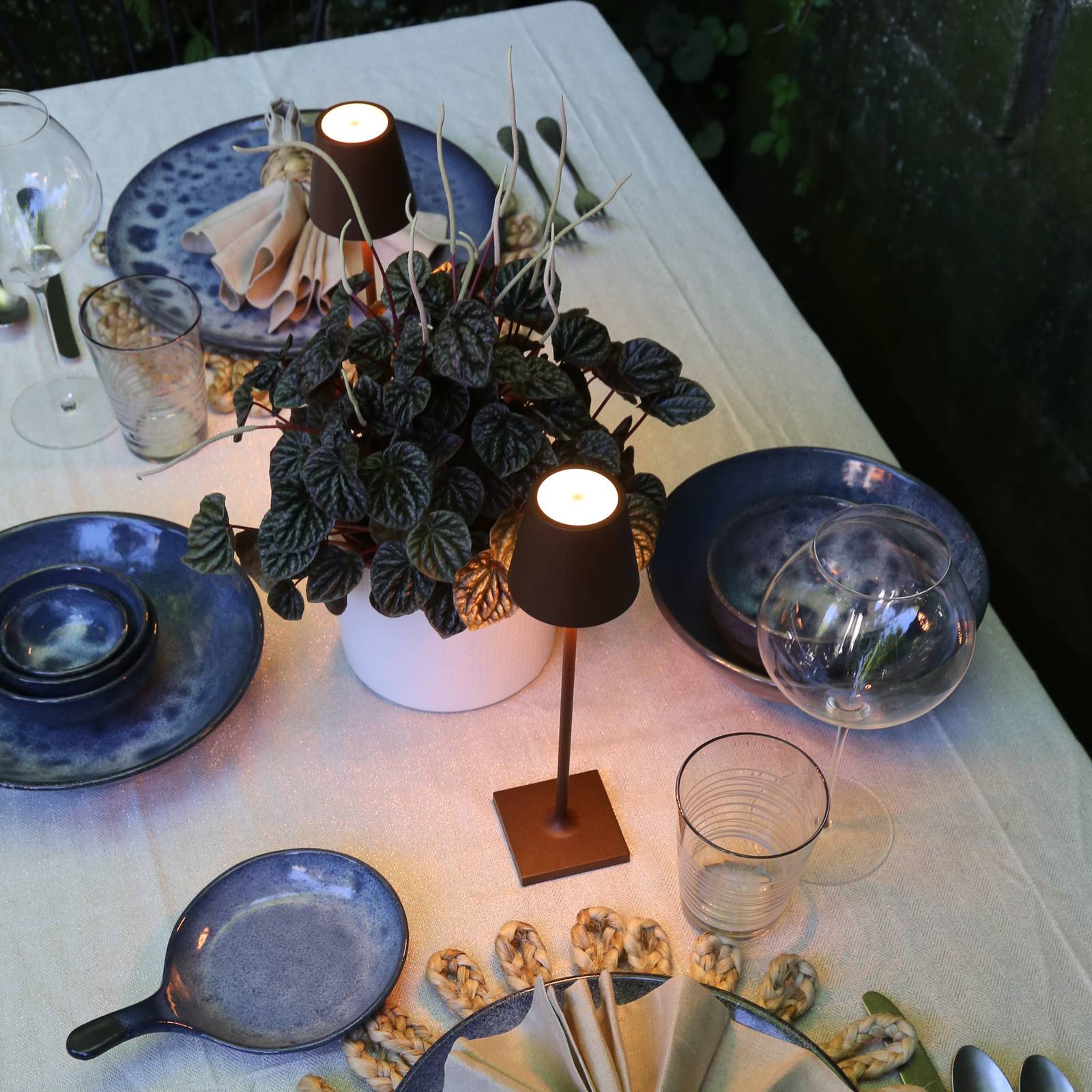
Zafferano Poldina micro rechargeable LED table lamp, rust brown, IP65 micro, dimmable, Brown / rust, Aluminium, ModernThe Poldina micro LED battery table lamp is the ideal choice for anyone looking for a stylish and practical lighting solution. With its cordless design, touch dimmer function and the possibility to choose between two different colour temperatures, this table lamp is perfect for indoor and outdoor use.103,48 £*Shipping: 4,99 £Secure redirect to the provider


-
What is rust?
Rust is a reddish-brown coating that forms on iron or steel when it is exposed to oxygen and moisture. It is a chemical reaction known as oxidation, where the iron in the metal combines with oxygen in the air to form iron oxide. Rust weakens the metal and can eventually cause it to deteriorate and break down if not treated or prevented. It is commonly seen on metal objects like cars, tools, and outdoor furniture. **
-
Can plastic rust?
No, plastic cannot rust because rusting is a chemical reaction that occurs in metals when they are exposed to oxygen and water. Plastic is a synthetic material made from polymers, which do not contain metal elements that can undergo rusting. However, plastic can degrade over time due to exposure to sunlight, heat, and certain chemicals, leading to cracking, discoloration, and weakening of the material. **
-
Can copper rust?
Copper does not rust in the same way that iron does, but it can undergo a process called oxidation. When copper is exposed to air and moisture, it forms a greenish layer called patina, which is a protective layer that prevents further corrosion. This patina is actually valued for its aesthetic appeal and is often intentionally encouraged to form on copper surfaces. So while copper does not rust in the traditional sense, it does undergo a form of corrosion through oxidation. **
-
Can aluminum rust?
No, aluminum does not rust. Rust is a specific type of corrosion that occurs in iron and its alloys, such as steel. Aluminum, on the other hand, undergoes a different type of corrosion called oxidation. When exposed to oxygen, aluminum forms a thin layer of aluminum oxide on its surface, which actually protects the metal from further corrosion. This layer of oxide gives aluminum its characteristic resistance to rusting. **


Can it rust?
Yes, it can rust. Rust is a chemical reaction that occurs when iron or steel is exposed to oxygen and moisture, forming iron oxide. Since iron and steel are the main components of most objects that can rust, it is important to protect them from exposure to moisture and oxygen to prevent rusting. Regular maintenance and protective coatings can help prevent rust from forming on metal objects. **
Does tin rust?
Tin does not rust in the same way that iron does. Rust is a specific type of corrosion that occurs when iron and steel are exposed to oxygen and moisture. Tin, on the other hand, is resistant to corrosion and does not rust in the same way as iron. However, tin can develop a dull, grayish appearance over time due to a process called tin pest, which is a transformation of the tin metal at low temperatures. **
Top-Angebote
Products related to Rust:
-
Lucide LED table lamp Fjara, rust dimmable, Brown / rust, metal, ModernThe battery-powered LED table lamp Fjara can be used to create an atmospheric scene in the outdoor area. The metal structure reminiscent of a hoop skirt surrounds the satin lampshade, which is equipped with warm white LEDs. Suitable for hanging or standing. Incl. touch dimmer and USB charging cable.66,51 £*Shipping: 4,99 £Secure redirect to the provider
-
Zafferano Poldina micro rechargeable LED table lamp, rust brown, IP65 micro, dimmable, Brown / rust, Aluminium, ModernThe Poldina micro LED battery table lamp is the ideal choice for anyone looking for a stylish and practical lighting solution. With its cordless design, touch dimmer function and the possibility to choose between two different colour temperatures, this table lamp is perfect for indoor and outdoor use.103,48 £*Shipping: 4,99 £Secure redirect to the provider
-
Does dry rust continue to rust?
Yes, dry rust can continue to rust. Rust is a chemical reaction between iron, oxygen, and water, and even in the absence of liquid water, rusting can still occur through a process called dry corrosion. This occurs when moisture in the air or other environmental factors provide enough water vapor to sustain the rusting process. Therefore, even if the rust appears dry, it can still continue to corrode over time. **
-
Can the inside of a modern washing machine drum rust?
Yes, the inside of a modern washing machine drum can rust if it is not properly maintained. The drum is typically made of stainless steel, which is resistant to rust, but if the protective coating on the drum becomes damaged or worn down, it can lead to rusting. Factors such as hard water, using harsh cleaning chemicals, or leaving wet clothes in the drum for extended periods of time can contribute to rust formation. Regular cleaning and maintenance can help prevent rust from forming inside the washing machine drum. **
-
What is rust?
Rust is a reddish-brown coating that forms on iron or steel when it is exposed to oxygen and moisture. It is a chemical reaction known as oxidation, where the iron in the metal combines with oxygen in the air to form iron oxide. Rust weakens the metal and can eventually cause it to deteriorate and break down if not treated or prevented. It is commonly seen on metal objects like cars, tools, and outdoor furniture. **
-
Can plastic rust?
No, plastic cannot rust because rusting is a chemical reaction that occurs in metals when they are exposed to oxygen and water. Plastic is a synthetic material made from polymers, which do not contain metal elements that can undergo rusting. However, plastic can degrade over time due to exposure to sunlight, heat, and certain chemicals, leading to cracking, discoloration, and weakening of the material. **
Similar search terms for Rust
-
Can copper rust?
Copper does not rust in the same way that iron does, but it can undergo a process called oxidation. When copper is exposed to air and moisture, it forms a greenish layer called patina, which is a protective layer that prevents further corrosion. This patina is actually valued for its aesthetic appeal and is often intentionally encouraged to form on copper surfaces. So while copper does not rust in the traditional sense, it does undergo a form of corrosion through oxidation. **
-
Can aluminum rust?
No, aluminum does not rust. Rust is a specific type of corrosion that occurs in iron and its alloys, such as steel. Aluminum, on the other hand, undergoes a different type of corrosion called oxidation. When exposed to oxygen, aluminum forms a thin layer of aluminum oxide on its surface, which actually protects the metal from further corrosion. This layer of oxide gives aluminum its characteristic resistance to rusting. **
-
Can it rust?
Yes, it can rust. Rust is a chemical reaction that occurs when iron or steel is exposed to oxygen and moisture, forming iron oxide. Since iron and steel are the main components of most objects that can rust, it is important to protect them from exposure to moisture and oxygen to prevent rusting. Regular maintenance and protective coatings can help prevent rust from forming on metal objects. **
-
Does tin rust?
Tin does not rust in the same way that iron does. Rust is a specific type of corrosion that occurs when iron and steel are exposed to oxygen and moisture. Tin, on the other hand, is resistant to corrosion and does not rust in the same way as iron. However, tin can develop a dull, grayish appearance over time due to a process called tin pest, which is a transformation of the tin metal at low temperatures. **
* All prices are inclusive of VAT and, if applicable, plus shipping costs. The offer information is based on the details provided by the respective shop and is updated through automated processes. Real-time updates do not occur, so deviations can occur in individual cases. ** Note: Parts of this content were created by AI.